
Last updated November 23, 2026
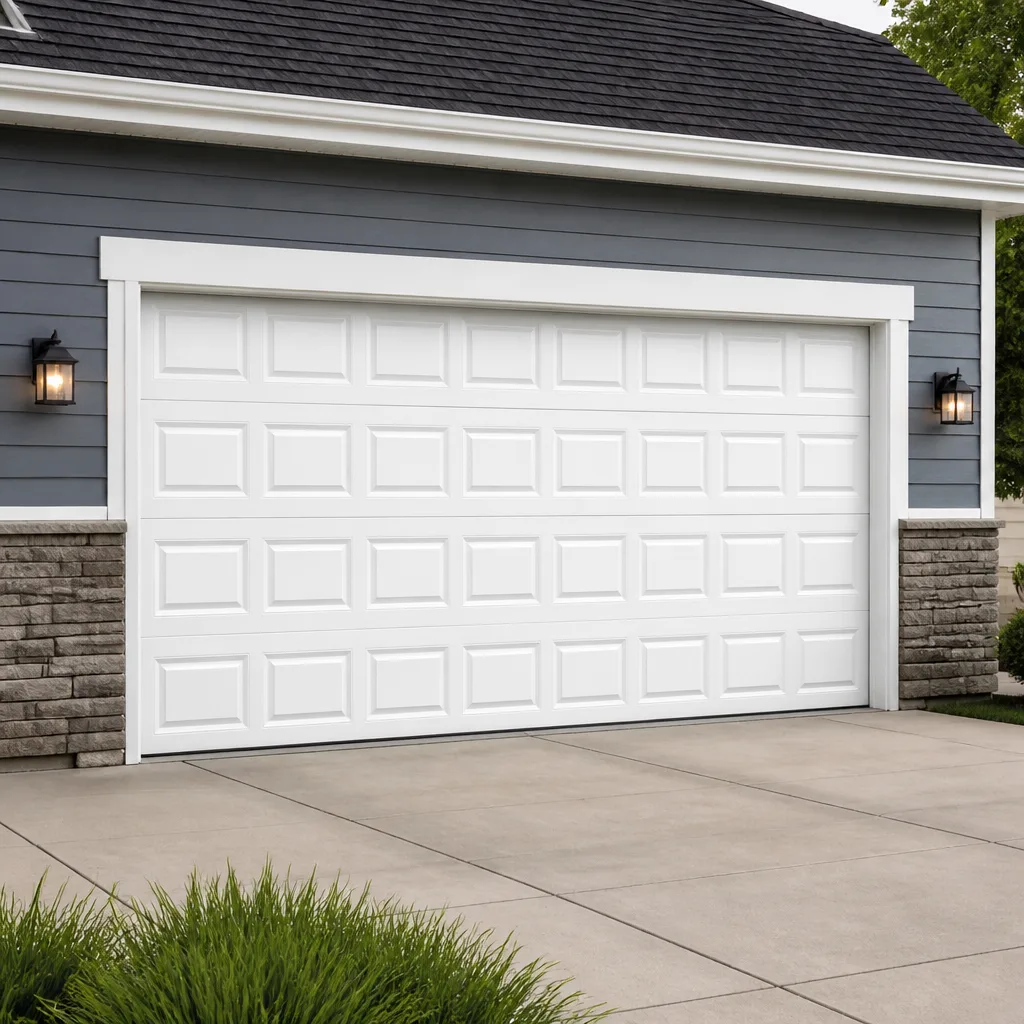 Raised-panel steel
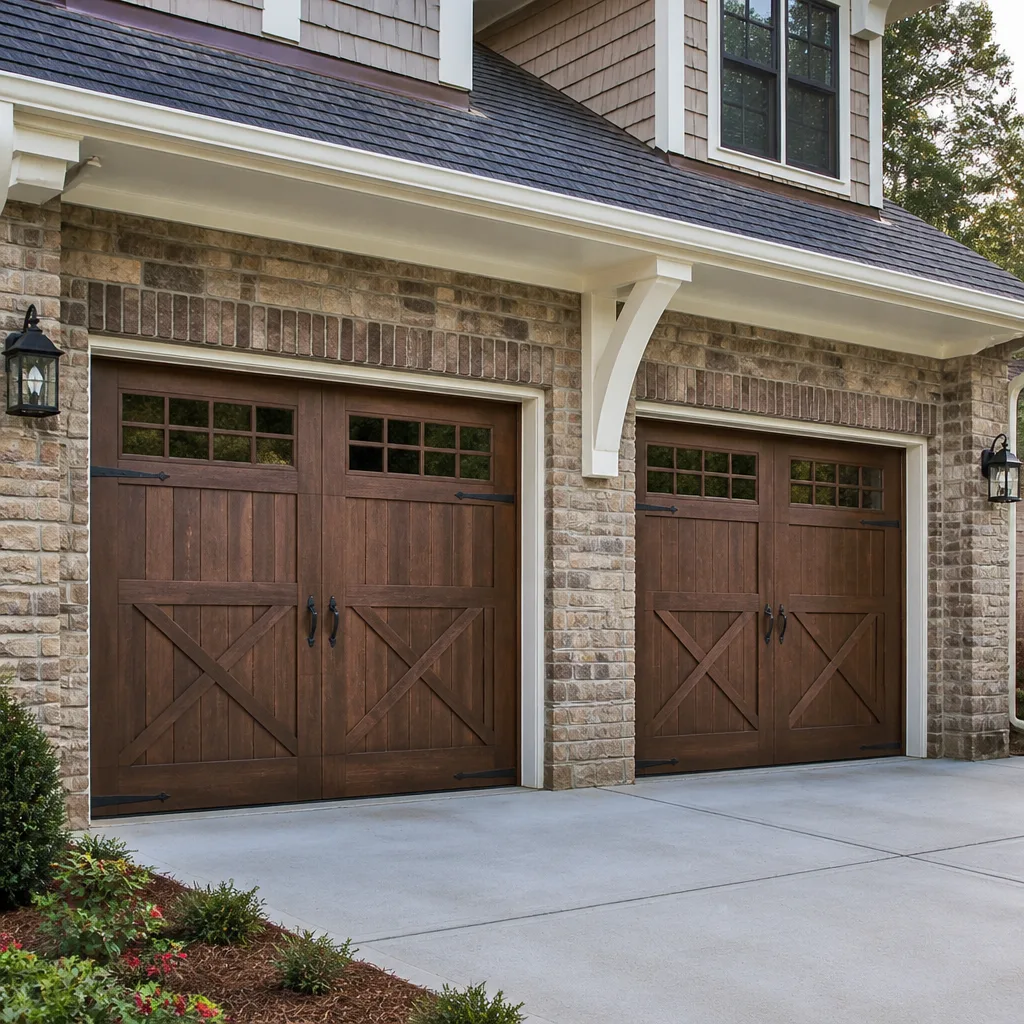 Carriage house
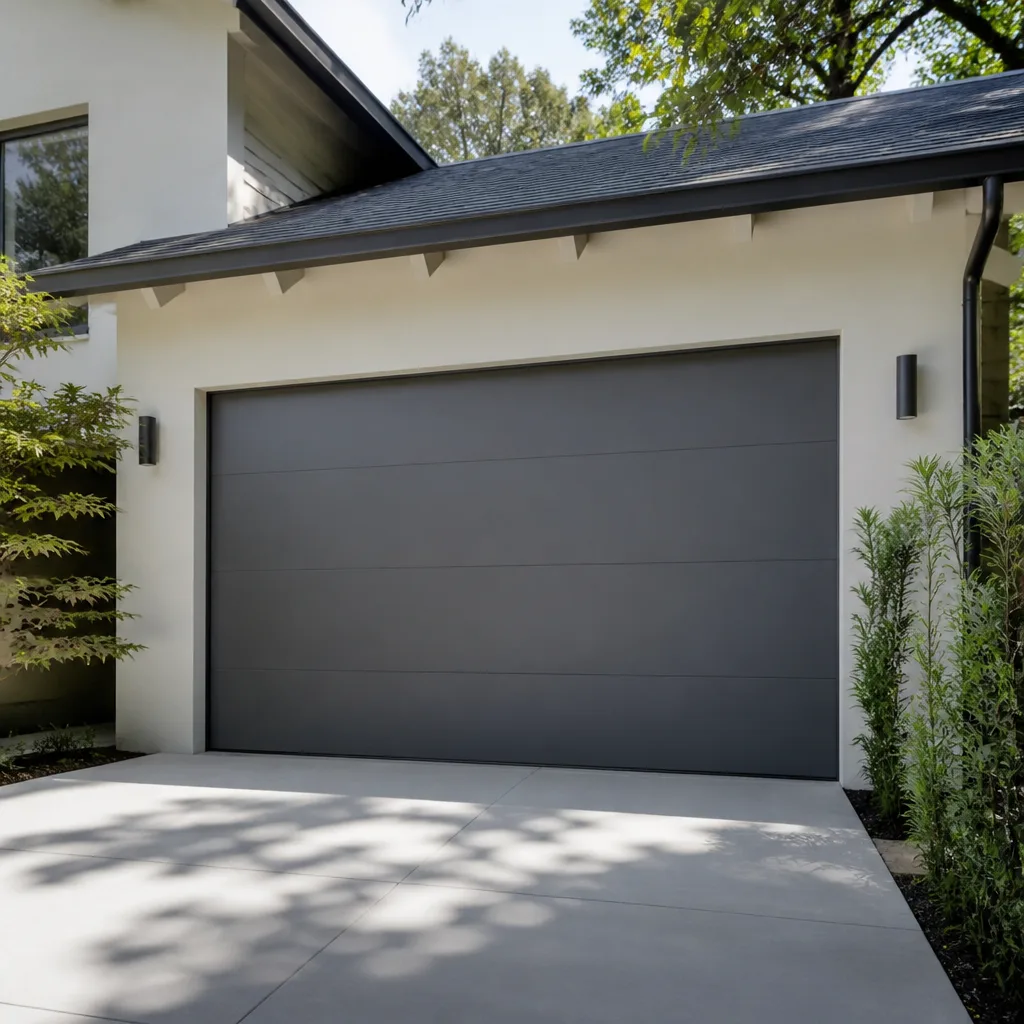 Modern flush
 Full-view glass
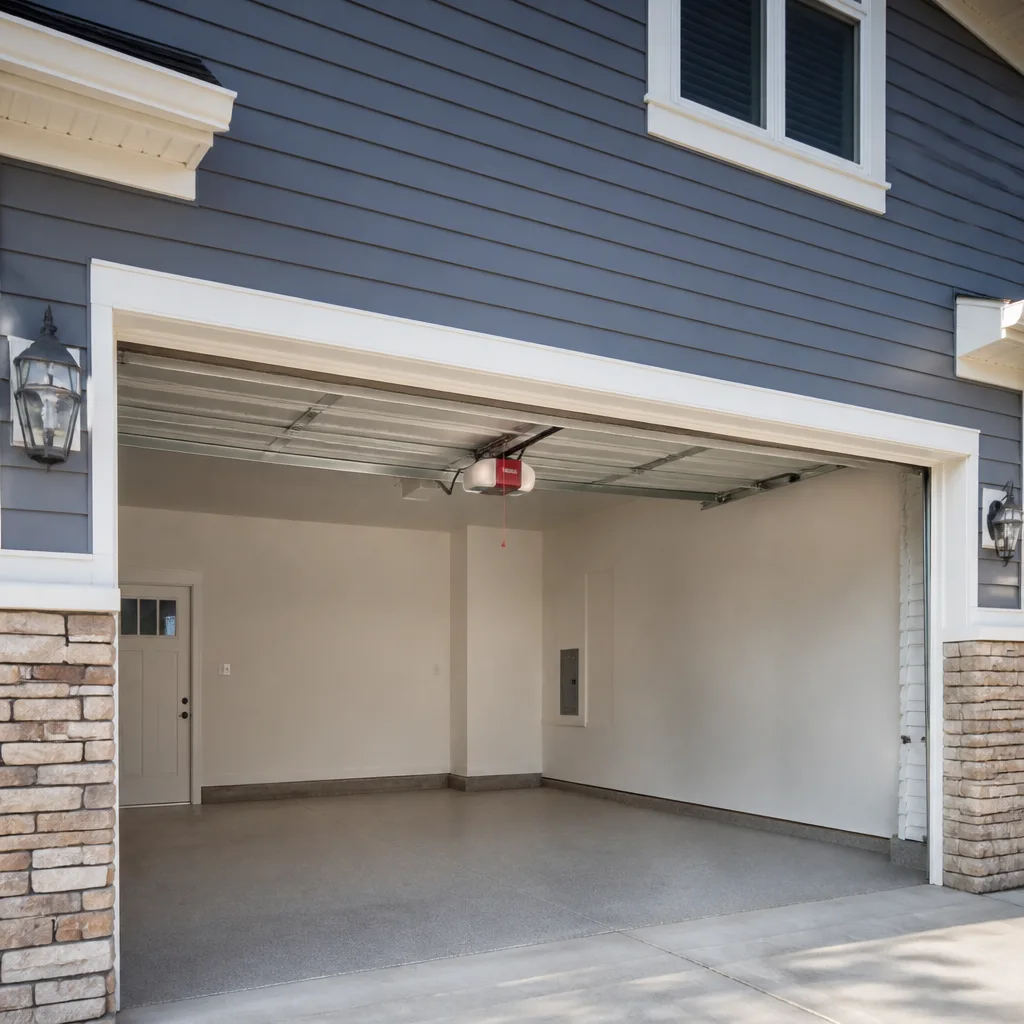 LiftMaster openers
 Chamberlain openers
Full 25-point door and opener safety check with every visit - springs, cables, rollers, tracks, and your LiftMaster or Chamberlain opener included
You get a price before we start. It does not change when the pro arrives.
Get your free estimateGarage Door Permits, Codes & Inspections in Largo, FL: What You Need to Know
Most Largo homeowners assume a garage door is like a water heater or a fence: you replace it, it works, and nobody official ever needs to know. That assumption is the one that costs people later. In much of Pinellas County, a full garage door replacement is a permitted building alteration under the Florida Building Code, and the paperwork trail matters as much as the door itself. It surfaces during a home sale, during an insurance claim after a storm, and during a code inspection you didn’t know was coming. This guide covers when a permit is required in Largo, what the wind-load and impact requirements actually mean for a property here, how to check the permit history on a door you inherited, and what an inspector looks for. You’ll leave knowing exactly which jobs need paperwork, which don’t, and how to keep a bad install from becoming a bad surprise.
Quick Answer
A full garage door replacement in Largo generally requires a building permit under the Florida Building Code, while repairs to an existing door (springs, cables, rollers, panels, openers) typically do not. Pinellas County properties also fall under wind-borne debris region requirements, so a replacement door usually has to meet specific wind-load and impact ratings. If you’re unsure whether your job crosses the permit line, call the City of Largo’s building department with your address and the specifications of the door. The written permit record follows the door, and future buyers and insurers will look for it.
Styles & brands we work with
- Raised-panel steel
- Carriage house
- Modern flush
- Full-view glass
- LiftMaster openers
- Chamberlain openers
Table of Contents
- Does a garage door replacement need a permit in Largo, FL?
- Repair vs. replacement: where is the real permit line?
- What Florida Building Code wind and impact rules mean for Largo
- How to check the permit history on a door that’s already installed
- What a garage door inspection actually looks for
- How to prepare so your inspection passes the first time
- The real cost of skipping a permit in Largo
- Contractor permit vs. owner-builder permit: which applies?
Does a garage door replacement need a permit in Largo, FL?
In most cases, yes. A full garage door replacement in Largo is treated as a structural and building envelope alteration, and that usually means a building permit through the City of Largo. The permit exists for two reasons: to confirm the new door meets the wind-load design pressure for the property, and to confirm the fastening and anchoring meet the manufacturer’s installation instructions. Both matter in a county that takes storm performance seriously.
The threshold is where it gets interesting. Not every garage door job in Largo crosses into permit territory. The dividing line is generally whether the work changes the door opening, replaces the door assembly, or changes the structural attachment. That’s the front-door question the city’s building department will ask, and it’s the same question we use when deciding what a job needs before we ever place an order.
- Likely requires a permit: whole door replacement, new door installation in a new opening, header or track reframing, door size change, new impact-rated door install.
- Usually doesn’t require a permit: spring replacement, cable and roller replacement, panel swap of like-for-like size, opener replacement or repair on an existing door.
- Depends on the door and jurisdiction: replacing just the panels on an impact door, changing an opener to a different rail system, converting a manual door to automatic. Call the building department and get it in writing.
Rules can shift, and they’re applied per address. What holds for one Largo property may not hold for the next depending on the door’s design pressure, the home’s age, and how the opening was framed. Confirm with the City of Largo’s building department before work begins, and have the contractor include the permit pull in the job scope.
Repair vs. replacement: where is the real permit line?
Repairs are almost never permitted. Replacements usually are. The confusion comes from jobs that sit somewhere in the middle, and that’s where homeowners get caught short. Here’s how we draw the line in practice on doors across Largo, including older homes around Ridgecrest and Harbor Bluffs where original 1980s and 1990s doors are still hanging.
- A broken torsion spring. Not a permit item. This is routine garage door spring repair and gets resolved with replacement springs matched to the door weight.
- A dead opener. Not a permit item unless the opening itself changes. Opener service and installation live under garage door opener repair and you won’t need to involve the city.
- Bent track or a cracked panel. Usually not a permit item if the panel matches the original specification and the structural attachment doesn’t change. A different panel size or a change in door weight may shift into permit territory.
- A full door swap. Permit required. The new door needs to meet the current code’s wind-load requirements for that specific address, and the inspector will look for the product approval document.
- Adding a door where none existed. Permit required, plus engineering. This is a structural alteration to the wall, not just a garage door job.
If you’re not sure which side of the line a job sits on, that counts as a permit question. A five-minute call to the building department or your contractor’s office will settle it. The cost of pulling a permit is small next to the cost of pulling one retroactively after a denial. We work on doors from Clopay, Amarr, Wayne Dalton and others, and every one of those manufacturers publishes product approval documents that the city will ask to see. Having the paperwork is half the battle.
What Florida Building Code wind and impact rules mean for Largo
Pinellas County sits in a wind-borne debris region under the Florida Building Code, which is why garage doors here get more scrutiny than they do in most of the country. A garage door is the largest opening in the building envelope, and that makes it the place where wind pressure concentrates. When a door fails in high wind, the pressure inside the home changes and the roof becomes vulnerable.
The code responds to this with two requirements. The door must be rated to the design wind pressure for the property, and the installation must match the manufacturer’s published instructions for anchoring. On a replacement door in Largo, the inspector wants to see three things: the permit, the product approval for the specific door model, and confirmation the door was anchored per spec. If the model number on the door doesn’t match the approval on the permit application, the inspection fails.
- Design pressure (DP) rating: each door model carries a rating tied to size and reinforcement. Larger doors generally require more reinforcement to hit the same rating.
- Impact rating: in a wind-borne debris region, the door typically has to resist debris impact as well as pressure. Impact-rated doors carry their own product approval.
- Anchoring: the fastening pattern, anchor type and embedment must match the manufacturer’s instructions. This is where most install shortcuts fail inspection.
- Reinforcement struts: many residential doors use horizontal or vertical struts to reach the design pressure rating. Removing them for aesthetics voids the rating.
What this means practically is that a “cheap replacement” from an unlicensed installer often fails the code conversation. A door that was rated for a lighter load in an inland county isn’t going to be acceptable in Largo without the right product approval and anchoring. The printed label on the door is your proof point. If there isn’t one, that’s a red flag about what’s actually installed. Ask for the product approval before you sign anything.
How to check the permit history on a door that’s already installed
If you bought a Largo home with a relatively new garage door and never saw the paperwork, you’re not alone. Most resale transactions don’t include the garage door permit file. The good news: permits are public records, and the history is retrievable in a few structured steps.
- Start with the Pinellas County property appraiser. Pull the property record and note construction dates, sale history and any recorded modifications. This anchors the timeline.
- Contact the City of Largo building department. Provide the address and ask for the permit history specific to the garage door or any garage-related structural work. Ask whether the permit was closed out with a passed inspection or left open.
- Check the door label. Every code-compliant door carries a permanent label with the manufacturer, model and product approval number. Photograph it. If there’s no label, the door may not be code-compliant.
- Compare the door on the property to the door on the permit. If the model on the label doesn’t match the model on the permit, you have your answer about whether the work was done to code.
- Ask your insurer. Many carriers want garage door information on the wind mitigation portion of the policy. If the door isn’t code-compliant, this is where it tends to surface.
An open permit from a prior install is a problem you want to solve before you sell, not during. Largo has a mature housing stock, and doors were swapped out at all points over the last thirty years. Some got permitted, some didn’t. If you find yourself looking at a door you didn’t install, it’s worth thirty minutes to know what’s on record.
What a garage door inspection actually looks for
An inspection for a permitted garage door replacement is not a general home inspection. It’s a code compliance check on specific items, and it’s usually quick if the install was done right. Here’s what the inspector is generally evaluating in Largo:
- Product approval match. The door model on the installation must match the product approval on the permit application. This is where paperwork errors kill jobs.
- Anchoring and fasteners. The anchor type, spacing and embedment must match the manufacturer’s published instructions. Concrete expansion bolts in the wrong substrate, or fewer fasteners than the spec calls for, is a fail.
- Reinforcement. If the door required struts or a reinforcement bar to achieve its design pressure rating, they have to be installed and in the correct position.
- Track alignment and plumb. The vertical tracks need to be plumb and the horizontal tracks properly sloped. Poor alignment shows up in the inspection even though it reads as a functional defect.
- Balance and safety. A door that doesn’t balance isn’t code-compliant. Neither is a door with a missing or non-functional safety reverse, though opener compliance is often handled under a separate electrical item.
- Label presence. Permanent labeling on the door and, where required, on the reinforcement.
- Clearances. Headroom, backroom and side clearance per the manufacturer’s spec. A door crammed into an opening it wasn’t designed for will fail here.
If you ask ten installers what the inspection covers, you’ll get ten slightly different answers. What they should all agree on is that the door’s printed product approval is the controlling document. The inspector isn’t judging aesthetics or whether the door matches the house. They’re checking that the model installed is the model approved, anchored as specified. When a customer tells us a door failed inspection, it’s almost always a fastener or paperwork issue, not a functional problem.
How to prepare so your inspection passes the first time
The best way to pass an inspection is to have nothing for the inspector to question. That means the paperwork, the door and the install all have to agree before the scheduled inspection day. On a job in Largo, here’s the sequence we follow.
- Match the door model to the product approval at the ordering stage. Don’t swap models after the permit is issued without amending the permit. If the approval number on the door doesn’t match the permit, the inspection fails regardless of how good the install is.
- Confirm the design pressure for the address. Ask the building department what DP rating applies. Don’t assume a standard door covers every property.
- Read the manufacturer’s install instructions. Fastener type, spacing and embedment are printed and specific. This is the step that separates a passed inspection from a re-inspection.
- Install reinforcement as specified. If the approval requires struts or a center reinforcement, install them, even on doors that look like they don’t need it.
- Balance the door and set the opener. A balanced door with correct spring tension is part of a proper install and shows up in the inspection.
- Keep the label and the paperwork on site. The door label, the product approval document, and the permit should all be accessible on inspection day.
- Take photos before the inspection. Fastener spacing, reinforcement and the label, photographed at install, protect you later if there’s a question.
Most failed inspections we hear about are paperwork and fastener issues, not functional ones. The door opens and closes fine; the anchoring doesn’t match spec, or the door model isn’t the one on the permit. Both are avoidable with a careful install. A well-prepared job usually passes in one visit, and the inspection itself is quick. It’s the preparation beforehand that determines whether you need a re-inspection.
The real cost of skipping a permit in Largo
The consequence people worry about is a fine. The consequence that actually matters is what happens at the next transaction. A garage door replacement done without a permit is an alteration with no record. That record gets looked for in three places: during a home sale, during an insurance claim, and during any future permitted work on the same wall.
During a sale, a title search doesn’t catch unpermitted work, but a buyer’s inspector often does. A Largo home inspector will photograph the garage door and, in many cases, ask for the permit history on work that looks recent. If there’s no permit, your buyer has negotiating leverage and the deal can stall. During a storm claim, the insurer’s adjuster evaluates whether the door was code-compliant at installation. A non-compliant door can complicate the claim even if the storm damage itself is legitimate. During future permitted work, an open or missing permit on the same structure can be flagged.
There’s also the performance issue. A door installed without the correct anchoring for Largo’s wind-load requirements doesn’t do its job in high wind. The permit process is what verifies the door can hold. Skipping the permit skips the verification, and there’s no third party checking the door’s design pressure or the anchor install. Call the City of Largo building department for the specific permit rules on your property. It’s the only answer that applies to your address, and it’s a short conversation.
Contractor permit vs. owner-builder permit: which applies?
Florida allows a homeowner to pull certain permits on their own property as an owner-builder, but the process puts the responsibility for code compliance squarely on you. A licensed contractor pulls permits under their own license, carries the responsibility for the install, and typically handles the inspection scheduling and the paperwork. For a garage door replacement in Largo, the contractor route is almost always the practical one.
The distinction matters because the door itself is a code-regulated product tied to a specific product approval. If you’re pulling the permit yourself, you’re responsible for confirming the door model matches the approval, that the anchoring matches the manufacturer’s instructions, and that the inspection is scheduled and passed. If the inspection fails, you own the re-inspection fee and the correction. If you’re working with a licensed contractor, those items sit on their side of the table.
- Contractor permit: pulled under the contractor’s license, the contractor is responsible for compliance and the inspection, and it’s the cleanest path on a door replacement.
- Owner-builder permit: allowed, but the homeowner is the responsible party. Suited to a small scope and a homeowner with the time and knowledge to manage the process.
- Unpermitted work: the path that creates the resale and insurance problems. Never the right answer on a full replacement.
We recommend homeowners ask two things before signing any install contract: who will be listed as the permit holder, and what happens if the inspection fails. A licensed contractor answers both questions directly. If an installer waves off the permit or says “you don’t need one for a garage door in Largo,” that’s a reason to look elsewhere. When you’re getting garage door repair that turns into a replacement, the permit conversation should happen before the door is ordered, not after.
Common Mistakes to Avoid
- Assuming every garage door job is permit-exempt. Small repairs usually are, but a full door replacement is not. Ask before you assume.
- Ordering the door before the permit is issued. If the model number changes after the permit, the permit has to be amended or the inspection fails. Order the right door for the approval, not the door that’s on sale.
- Mismatching the model on the label to the model on the permit. The inspector checks this. A door that isn’t the door on the permit fails at inspection.
- Skipping the design pressure check for the address. Not every Largo property has the same wind-load requirement. Confirm the design pressure before buying.
- Trusting a “we don’t need a permit” installer. On a full replacement in Largo, that’s usually a sign the installer is either unfamiliar with the process or working around it.
- Not asking for the product approval document. It’s a public record and the manufacturer supplies it. Ask for it and keep it with your home records. A Clopay, Amarr or Wayne Dalton install should all come with this documentation.
- Finding out about a prior unpermitted door during a sale. Pull the permit history on any door you didn’t install yourself. Thirty minutes of checking now saves a deal hiccup later.
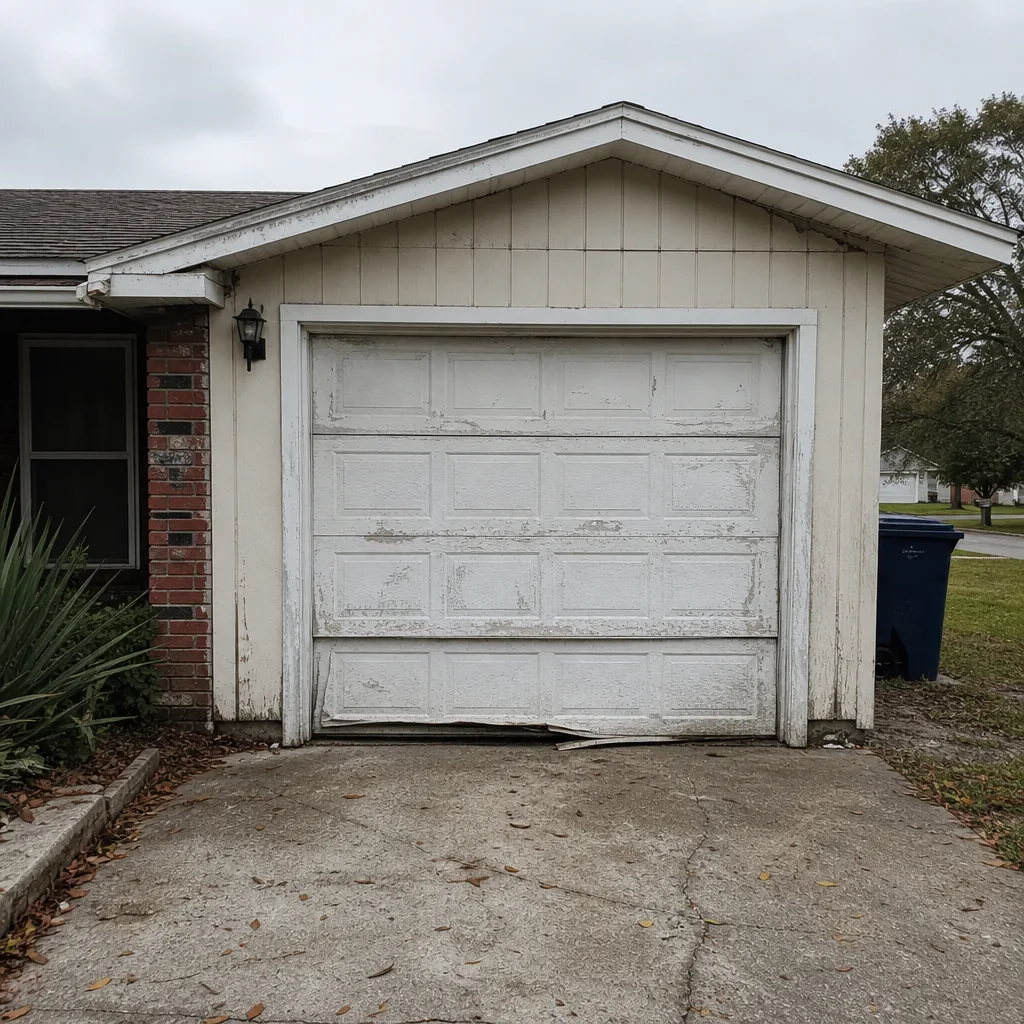
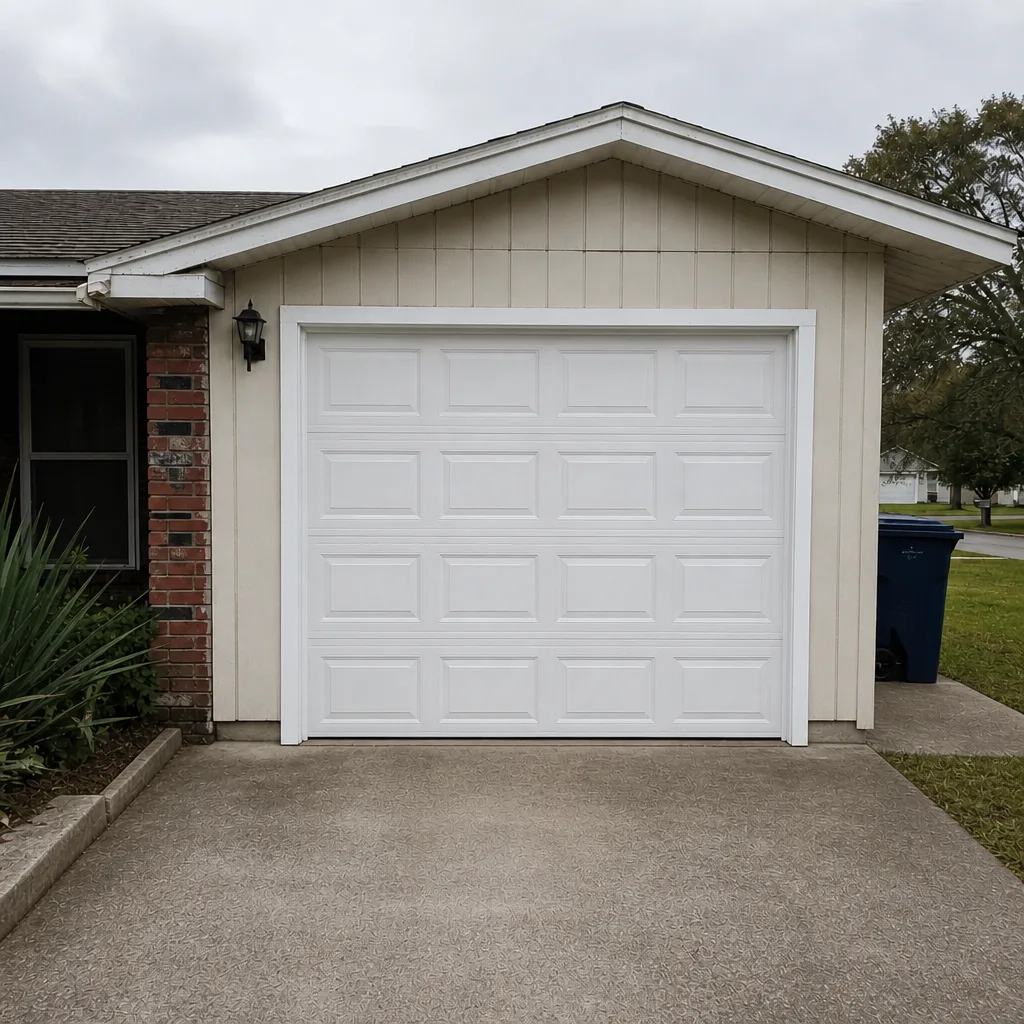
See the difference
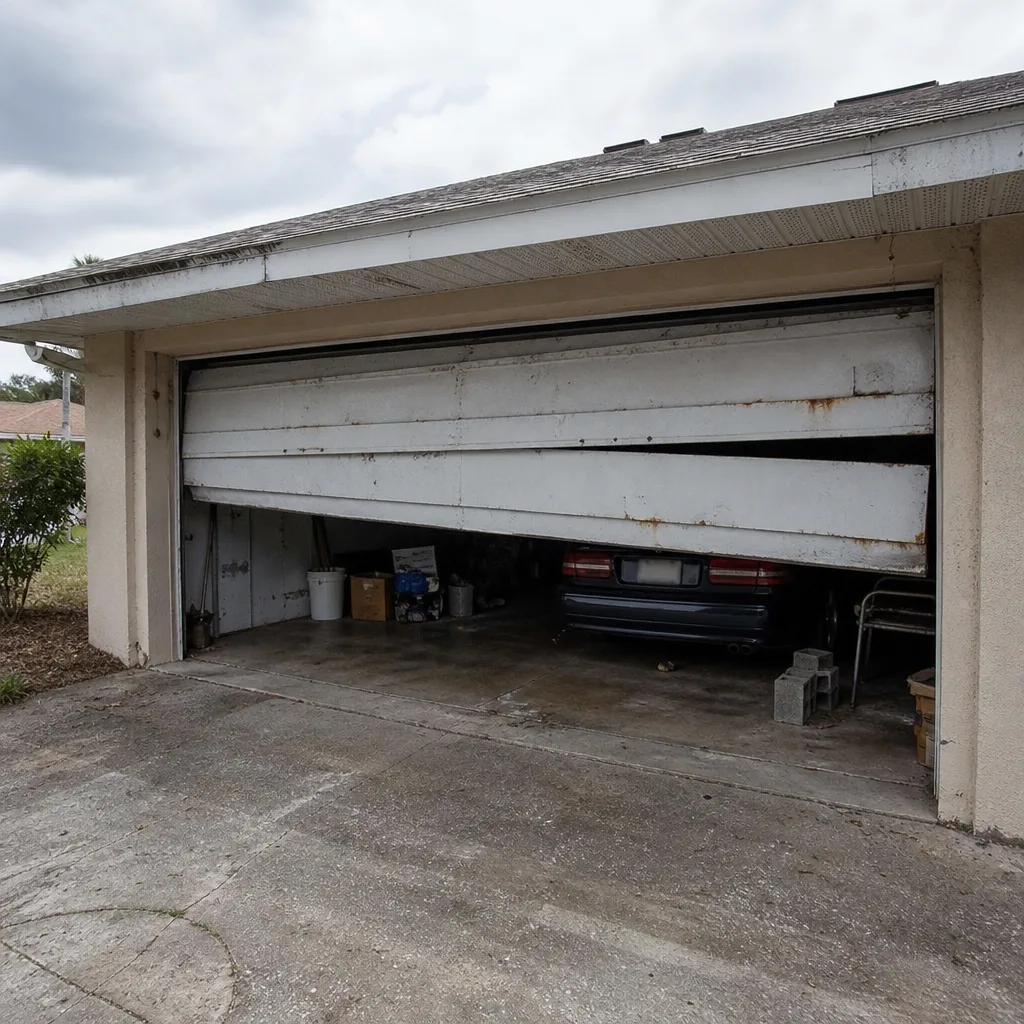 Before
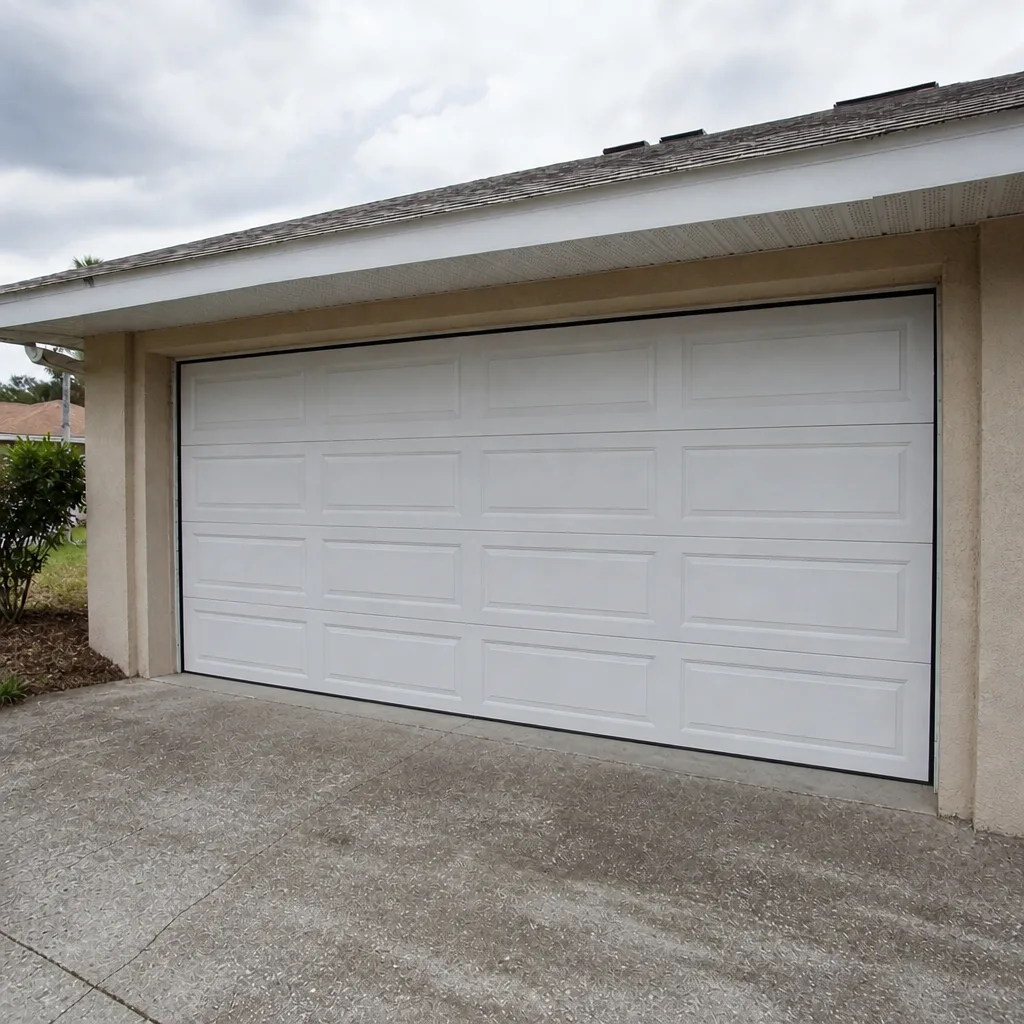 After
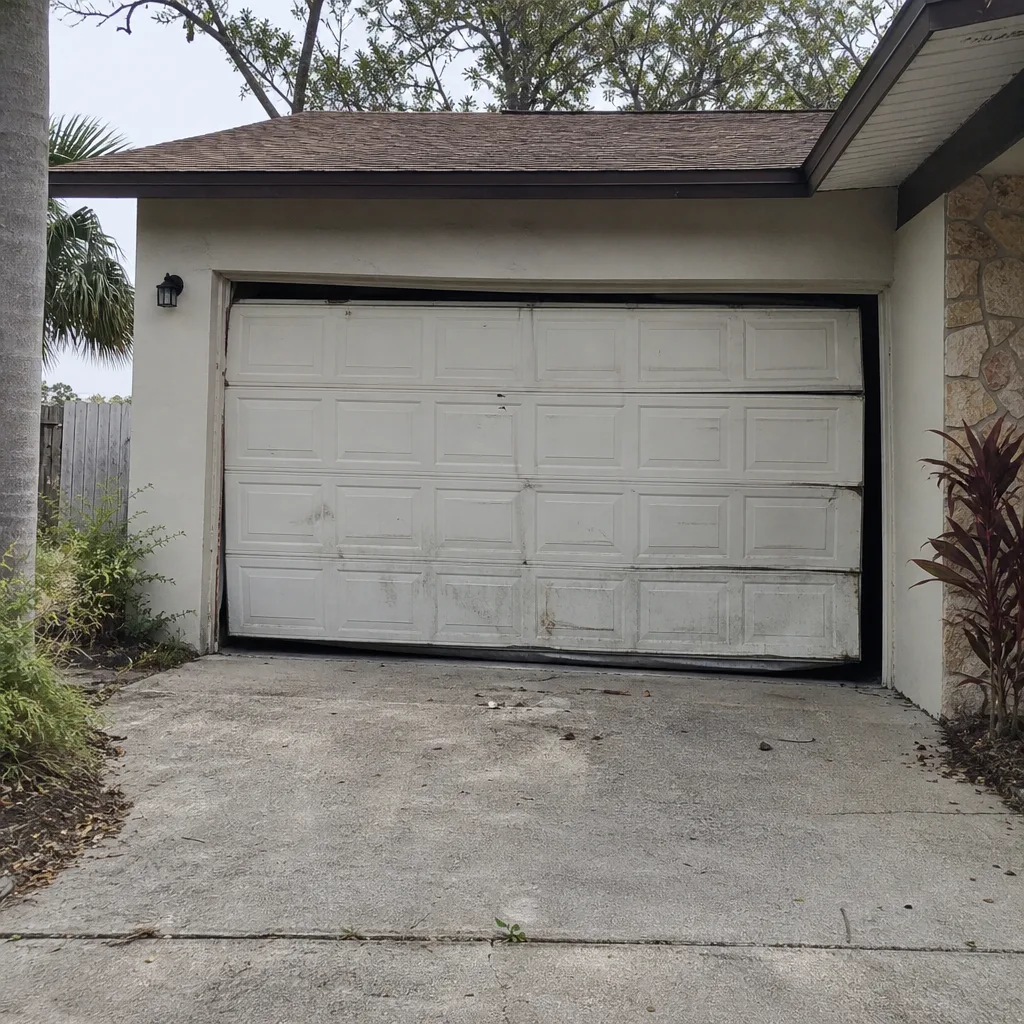 Before
 After
 Before
 After
When to Call a Professional
Not every garage door issue needs a permit, but several need a professional. If you’re looking at a full replacement in Largo and aren’t sure about the permit path, that’s a call. If the door is a spring, cable or opener issue and you just want it fixed, that’s a different call. The dangerous items – torsion springs, cables, and any work near the tension system – should only be handled by a trained technician because a failing spring or cable can cause serious injury. The permit and inspection side benefits from having someone in your corner who’s done this many times and knows the paperwork. Largo Garage Door Repair Pros offers free estimates in Largo – call (855) 774-7112.
We’ve also seen plenty of jobs where the door works but the anchoring doesn’t match the design pressure, or the door model doesn’t match the product approval on the permit. That’s the kind of thing that’s invisible until an inspection or a claim surfaces it. If you want a second set of eyes on the install that’s already hanging on your house, we can look at the label, the reinforcement and the anchoring and tell you what we see. The written estimate comes before any work starts, and the price is agreed before anyone touches the door. A licensed local pro handles the permit under their own license, and the inspection scheduling is part of the job.
Frequently Asked Questions
In most cases, yes. A full garage door replacement is typically a permitted building alteration under the Florida Building Code, and the City of Largo’s building department is the authority to confirm with for your specific address. Repairs like spring or cable replacement usually don’t require a permit, but the replacement of the door assembly does. Call the City of Largo building department with your address before ordering the door. For a free estimate on the door or the repair, call (855) 774-7112.
A repair fixes a component of the existing door and generally doesn’t need a permit; a replacement changes the door assembly or the opening and generally does. Springs, cables, rollers, panels of matching size and openers usually fall under repair. A whole door swap, a size change, or framing work around the opening falls under replacement. When it’s borderline, call the building department and ask. For a free estimate on a repair or a garage door repair that turns into a replacement, call (855) 774-7112.
Pull the permit history through the City of Largo building department and compare the door label to any recorded permit. If there’s no permit, you can often apply for a permit retroactively, though it may require an inspection of the existing install and possibly corrections. Don’t wait until you’re selling the home to sort it out. If you want a professional assessment of the door’s code compliance before you apply, call (855) 774-7112 for a free estimate.
Pinellas County sits in a wind-borne debris region under the Florida Building Code, so a replacement door usually has to meet a specific design pressure rating and impact resistance requirement for that address. The exact rating depends on the property, the door size and the opening, so it must be confirmed with the City of Largo’s building department. Ask for the product approval document for the specific door model, which lists the rating. For a free estimate on an impact-rated door or a garage door spring repair on your current door, call (855) 774-7112.
Yes, a permitted replacement is generally inspected. The inspector checks that the door model matches the product approval on the permit, that the anchoring and fastening match the manufacturer’s instructions, that any required reinforcement is installed, and that the door is balanced and safe. Paperwork and fastener issues cause most failed inspections, not functional problems. For a free estimate on an install that will pass inspection the first time, call (855) 774-7112. We answer 24/7. A call outside dispatch hours is booked into the next opening, Sunday through Friday, 7am to 7pm.
We’re closed on Saturday and open Sunday through Friday, 7am to 7pm. If your door fails on a Saturday, call and we’ll book you into Sunday. If you need an emergency response, we answer 24/7, and dispatch runs from 7am to 7pm, Sunday through Friday. If your door won’t open or won’t stay closed, call (855) 774-7112, and we’ll get a technician scheduled at the next opening.
Florida allows a homeowner to pull certain permits on their own property as an owner-builder, but the responsibility for code compliance, the inspection and any re-inspection sits on you. A licensed contractor pulls the permit under their license and handles the inspection scheduling. For a door replacement in Largo, the contractor route is almost always the cleaner one. To talk through the permit path for your garage door opener repair or door replacement, call (855) 774-7112 for a free estimate.
The Bottom Line
Garage door permits in Largo aren’t a paperwork formality; they’re the verification that the door can hold its own in a storm. A full replacement usually needs a permit, and the door has to match the product approval for the property under Florida Building Code’s wind-borne debris requirements. Repairs to springs, cables and openers don’t need a permit, and that’s where Largo Garage Door Repair Pros does most of its work. For a replacement, confirm with the City of Largo’s building department first, keep the product approval document, and make sure the anchoring matches spec. If you’re sorting out a permit question or a door that needs attention, call (855) 774-7112 for a free estimate. We answer 24/7. Fast dispatch from 7am to 7pm, Sunday through Friday.
Written by the team at Largo Garage Door Repair Pros.