
Last updated November 23, 2026
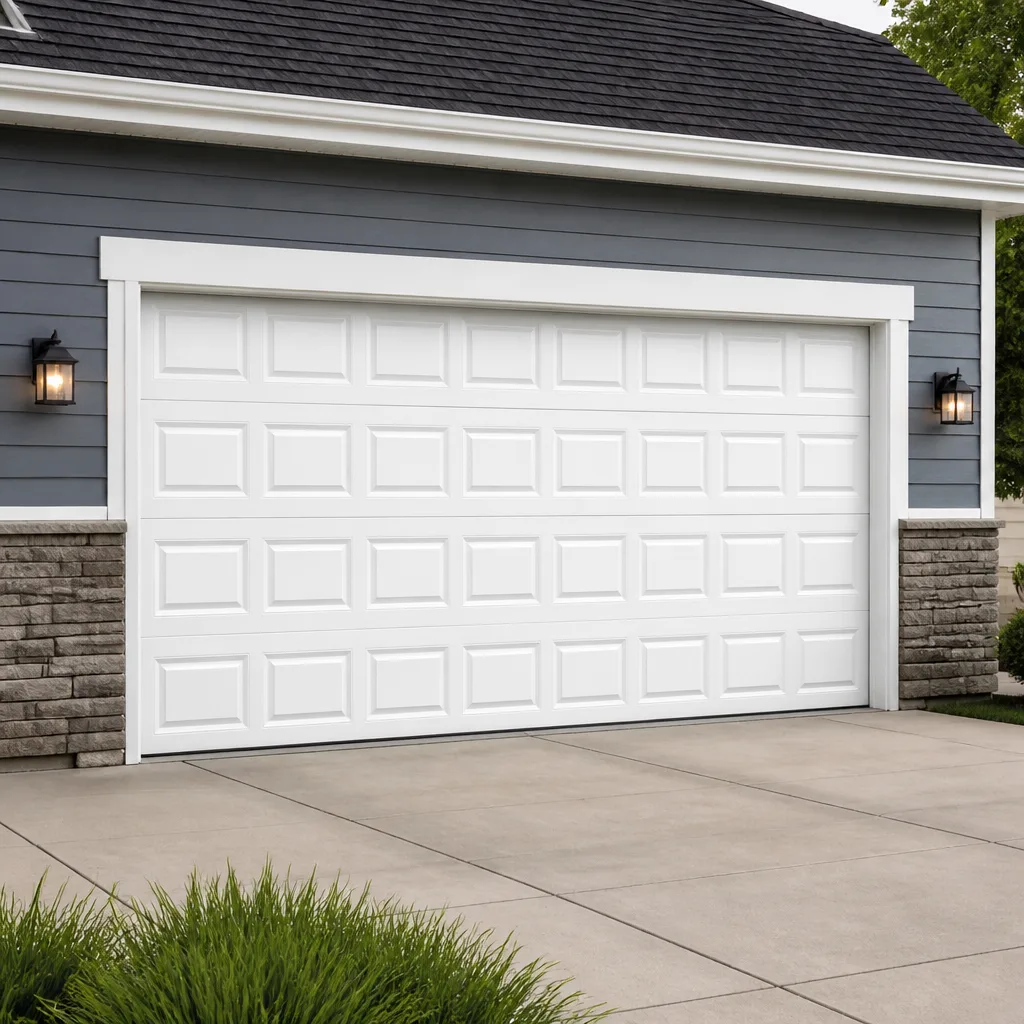 Raised-panel steel
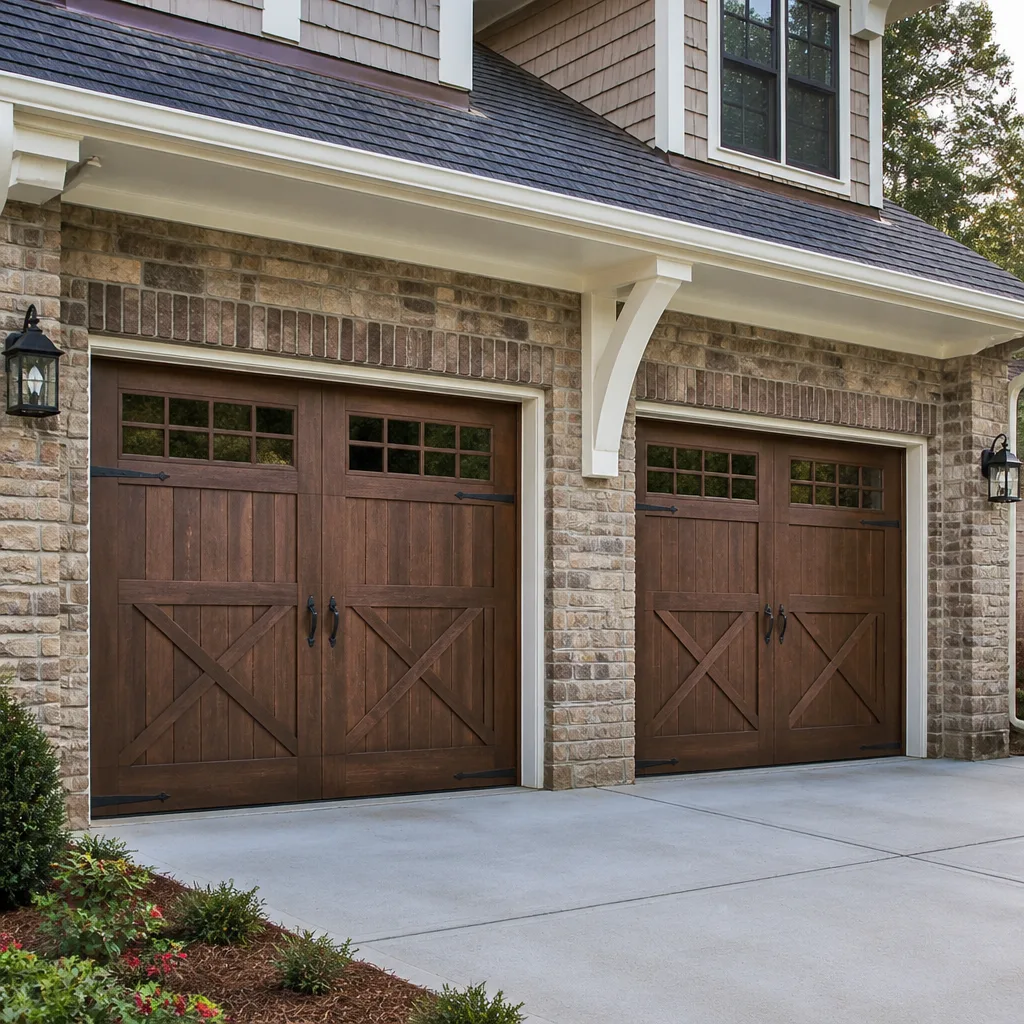 Carriage house
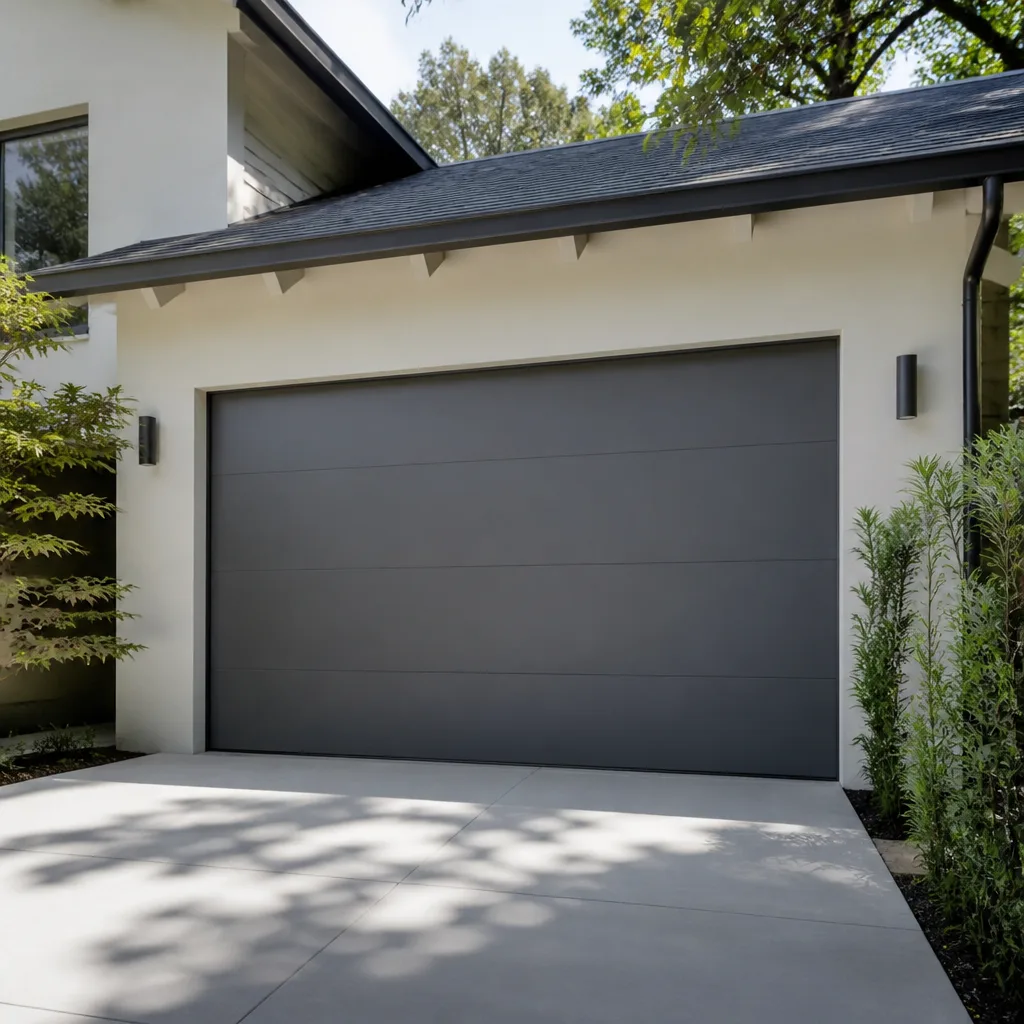 Modern flush
 Full-view glass
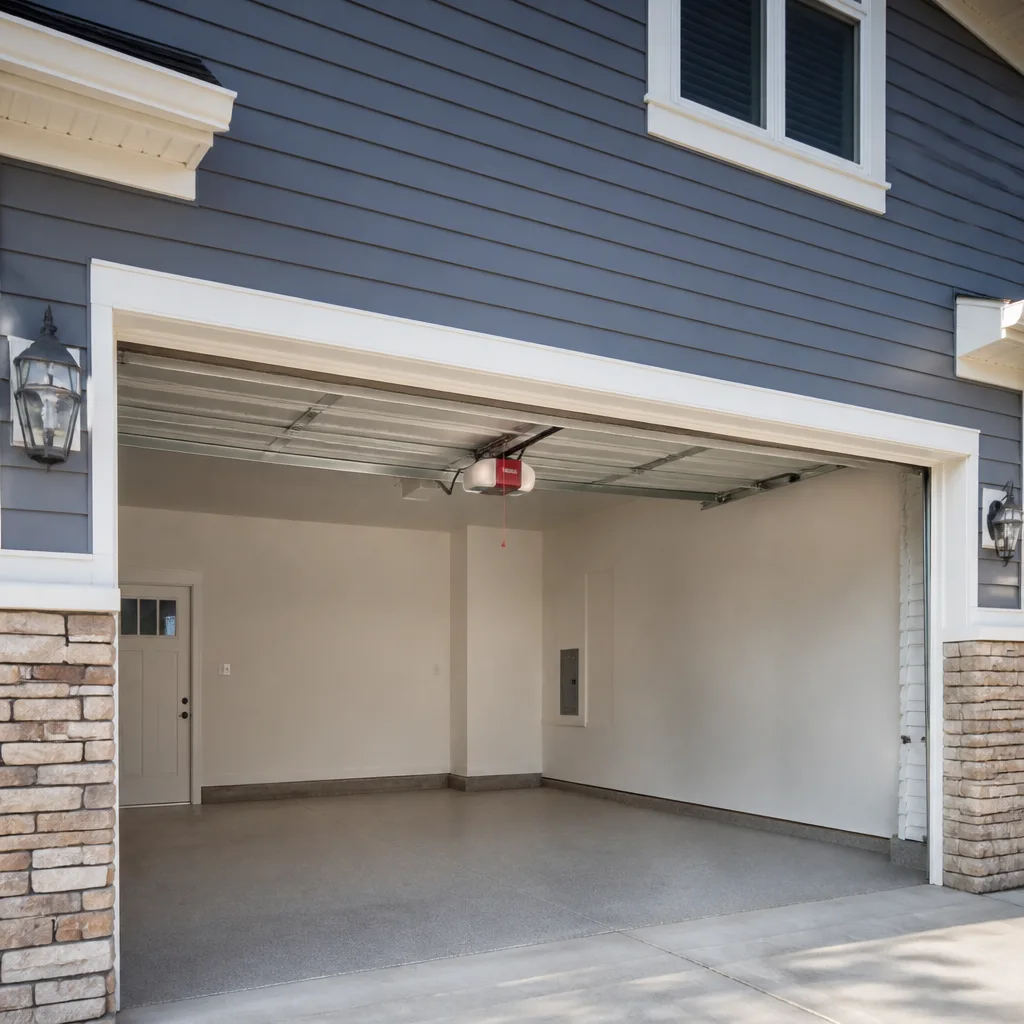 LiftMaster openers
 Chamberlain openers
Full 25-point door and opener safety check with every visit - springs, cables, rollers, tracks, and your LiftMaster or Chamberlain opener included
You get a price before we start. It does not change when the pro arrives.
Get your free estimateGarage Door Repair Maintenance Checklist for Largo Homeowners
The standard advice to lubricate your garage door once a year was written for someone in Ohio. In Largo, that interval can leave you with seized rollers by month six. Heat and humidity work on garage door hardware every month of the year here, so the parts that squeak, stick, and snap don’t follow a northern maintenance schedule. They follow the Florida one. What we’ve learned servicing doors around this city is that humidity does more quiet damage than any single storm. This guide gives you a task-by-task checklist built for Largo conditions: which intervals to use, what lubricant actually holds up here, how to read your weather seals, and the three checks that stop most emergency calls before they start.
Quick Answer
A garage door in Largo needs lubrication every four to six months, not once a year, because heat and humidity break down grease and loosen hardware faster than in cooler climates. Inspect your bottom seal and weatherstripping twice a year for cracks and gaps, tighten hinges and track bolts every six months, and test the safety reverse monthly. Anything involving springs, cables, or the torsion assembly is a professional job, not a homeowner check.
Styles & brands we work with
- Raised-panel steel
- Carriage house
- Modern flush
- Full-view glass
- LiftMaster openers
- Chamberlain openers
Table of Contents
- Why Largo Maintenance Intervals Differ From the Standard Checklist
- The Monthly Checks That Take Ten Minutes
- What to Lubricate, How Often, and What to Avoid
- Inspecting Bottom Seals and Weatherstripping for Largo Rain
- The Three Hardware Checks That Prevent Most Emergency Calls
- Your Seasonal Calendar for Largo
- What to Do When a Checklist Item Reveals a Problem
- Common Mistakes to Avoid
Why Largo Maintenance Intervals Differ From the Standard Checklist
Most garage door maintenance advice assumes four seasons, a dry cold stretch, and hardware that sits idle half the year. Largo doesn’t give your door that break. Warm, humid air works on metal, rubber, and grease continuously, and the parts that need attention most are the ones nobody thinks about until they fail.
Here’s what humidity and heat do to a garage door over a Largo year:
- Grease thins and migrates. Lubricant applied in a cooler month can soften and run off roller bearings and hinges, leaving metal on metal by the time the rainy season arrives.
- Fasteners loosen. Constant small temperature swings, plus the daily vibration of the opener, back out hinge screws and track bolts faster than in a stable climate.
- Rubber degrades. Bottom seals and weatherstripping harden, crack, and shrink. That lets in rain, insects, and humid air, and it throws off the door’s contact with the ground.
- Wood and paint take a beating. If you have a wood-composite or older wooden door, the humidity load here is relentless. Paint and sealer are protective, not cosmetic.
- Track alignment shifts. Hardware that expands and contracts against a fixed frame gradually moves out of true.
The practical result: any generic “check it annually” list under-serves a Largo door. We adjust the intervals below for what we actually see in this city, and that’s the single biggest change you can make to your own maintenance habit.
The Monthly Checks That Take Ten Minutes
Monthly checks are the cheap insurance. None of them require tools, and each one catches a problem while it’s still a five-minute fix instead of a service call.
- Test the safety reverse. Put a roll of paper towels or a piece of wood flat on the ground in the door’s path and close the door. It should reverse on contact. If it doesn’t, the opener’s force or travel limits need adjustment. This one matters for safety, and it’s the check most homeowners skip.
- Test the photo-eye sensors. With the door open, wave an object across the beam between the two sensors near the floor. The door should refuse to close, or reverse if it’s already moving. Wipe the sensor lenses, since dust and spider webs cause more false failures than wiring does.
- Listen. Stand in the garage and run the door up and down. Grinding, scraping, or a rhythmic thump is a warning. A door that sounds different this month than last month is telling you something.
- Look at the balance. Disconnect the opener (pull the release handle) and lift the door halfway by hand. It should stay there. If it drops or rises on its own, the springs are out of balance.
- Eyeball the tracks. Look down each vertical and horizontal track for bends, dents, or debris. Small obstructions are easy to clear. Bent tracks are not a homeowner job.
Add one more item monthly during the rainy season: check the floor of the garage near the door for moisture after a heavy storm. Water tracking in tells you the bottom seal or the threshold has given up.
What to Lubricate, How Often, and What to Avoid
This is where the yearly advice fails hardest in Largo. Heat and humidity break down lubricant faster than cold does, so we recommend a full lubrication pass every four to six months here. If your garage faces west and bakes in the afternoon sun, treat that as the four-month end of the range.
What to use: a silicone-based or white lithium grease lubricant, applied in small amounts. Silicone spray works well on rollers and hinges. White lithium grease holds up on the torsion spring and the opener’s rail and chain. Either is fine for the moving parts as long as you apply it sparingly. A little goes a long way; excess lubricant attracts dust and grit, which turns into grinding paste.
What to avoid:
- WD-40 as a lubricant. It’s a penetrant and water displacer, not a lasting lubricant. It will quiet a squeak for a week and then leave the part drier than before.
- Cooking spray or household oil. These break down quickly in heat and attract dirt.
- Heavy grease packed into hinges. Thick grease traps grit in a dusty garage and can stiffen in cooler months.
- Anything on the tracks. This is the most common mistake. Tracks should be clean and dry. Lubricating them makes the rollers slide instead of roll, which damages both.
How to apply it: work the door open, then lubricate the hinge pivot points, the roller bearings (not the wheels themselves), the torsion spring coils, and the opener’s chain or screw drive. Run the door up and down a few times so the lubricant spreads, then wipe away any excess. If a roller still grinds after lubrication, it’s worn and should be replaced, not re-greased.
Inspecting Bottom Seals and Weatherstripping for Largo Rain
Largo gets heavy summer rain, and the bottom seal is the first line of defense. A worn seal lets water pool at the door’s base, invites insects, and lets humid air into the garage year-round. Check it twice a year, and again after any storm that pushes water under the door.
What to look for in the bottom seal:
- Cracks, splits, or a seal that has hardened and flattened.
- Gaps between the seal and the floor when the door is fully closed. Check this in daylight, from inside the garage, looking along the floor line. If you can see light, water can get through.
- Tears at the corners, where seals usually fail first.
- Mold or discoloration along the seal, which signals trapped moisture.
What to look for in the side and top weatherstripping: the strips along the frame should sit snug against the door without dragging. Gaps at the top corners let wind-driven rain in. A strip that’s pulled loose at the bottom usually means it’s caught on the door and been torn off, which points to a track or alignment issue as well as a seal issue.
A bottom seal that’s simply worn can be replaced without touching the springs or opener. That’s a reasonable homeowner job if you’re comfortable working at floor level with the door fully open. A seal that’s letting water in at one corner, though, is often a sign the door is out of level or the track has shifted. That’s worth having looked at, because a new seal on a misaligned door will fail the same way.
The Three Hardware Checks That Prevent Most Emergency Calls
In our experience servicing Largo, a large share of urgent calls trace back to one of three hardware items that could have been caught earlier. None of these is difficult to check. Two of them are safety-critical, so read the warnings before you touch anything.
1. Hinges and their screws. Open the door and grip each hinge. It shouldn’t wiggle. Then look at the screws holding the hinges to the door panels; a backed-out screw is a hinge waiting to shear. Tighten any loose screws, but don’t over-torque them into thin metal panels. If a screw hole is stripped, that’s a professional repair, because a hinge that pulls out mid-travel can jam the door.
2. Track alignment and roller condition. With the door closed, look up each vertical track. The gap between the track and the door should be even top to bottom. Then check the rollers: the wheels should turn freely and sit fully inside the track. A roller that’s cracked, worn flat, or popped out of its bracket is a likely cause of a door that runs rough or jumps the track. Don’t try to bend a track back into shape yourself; a mis-bent track is worse than a bent one.
3. The torsion spring and its cables. This is where we stop recommending homeowner action. You can and should look: a healthy torsion spring has an even, unbroken coil, and the cables should sit neatly wound on their drums with no fraying or loose strands. But a torsion spring stores enormous energy, and cables are under constant tension. Never adjust, oil a frayed cable, or try to wind a spring. A spring or cable that looks wrong is a call to a professional, full stop.
For everything else on this list, if you find a problem in one of the first two checks, decide using the guide further down. For anything touching the springs, cables, or the door’s torsion assembly, skip straight to calling.
Your Seasonal Calendar for Largo
Because Largo doesn’t have a hard winter, we work on a rolling four-month cycle rather than a “spring cleaning” model. Here’s how to spread the work so no single month is overloaded:
- Every month: safety reverse test, photo-eye test, listen for new noises, glance at the tracks.
- Every four months: full lubrication pass, hinge and screw tightening, roller and track inspection. Adjust to every three months if your door faces direct sun.
- Every six months: bottom seal and weatherstripping inspection, balance test by hand, opener force and travel limit check.
- Annually, before the summer rains: a close look at the seals, the door’s finish (paint or sealer on wood and composite), and any rust on hinges or tracks. A small touch-up now prevents a bigger repair later.
- After any major storm or a power surge: re-test the opener’s safety reverse and photo-eyes. If the opener behaves oddly or the remote needs re-syncing repeatedly, that’s worth a professional look, and it’s a good moment to check whether a LiftMaster or Chamberlain unit is due for service.
Doors with a Raynor or Clopay steel panel construction from recent years handle humidity better than older wood-composite doors, but they still need the same lubrication and seal schedule. The intervals above work across the brands we see every week in Largo.
What to Do When a Checklist Item Reveals a Problem
Not every problem needs a call, and not every problem is safe to fix yourself. Use this decision path.
Fix it yourself if:
- It’s a squeak or grind that lubrication clears.
- A hinge or track bolt is loose and tightens back down.
- The bottom seal is worn or torn but the door closes square and evenly on the floor.
- The remote needs re-syncing, or the photo-eye lenses need cleaning.
Call a professional if:
- The spring is broken, sagging, or looks uneven, or the door won’t stay up when you test the balance by hand.
- A cable is frayed, slack, or hanging loose.
- The door is out of level, binds, or jumps the track.
- The opener runs but the door doesn’t move, or the door reverses on its own repeatedly.
- The safety reverse fails after you’ve checked the force and travel settings.
- Water is getting in at a corner even with the seal in place.
For the second group, that’s a garage door repair conversation, and it’s worth having someone who has worked on your specific system. When the opener itself is the problem, a garage door opener repair call covers the brands most common in Largo homes, including LiftMaster and Chamberlain units. And if the spring has let go, a dedicated garage door spring repair visit handles one of the most dangerous jobs on the door. We quote the price and agree on it before any work starts, so you never get a surprise at the end.
Common Mistakes to Avoid
- Sticking to an annual lubrication schedule. In Largo’s heat and humidity, once a year is too little; rollers can seize well before the next pass. Move to every four to six months and your hardware will last longer.
- Spraying lubricant on the tracks. Tracks should stay clean and dry. Greasing them causes the rollers to slide and forces the door to work harder, which shortens roller and opener life.
- Using WD-40 as a long-term lubricant. It’s useful for freeing a stuck bolt but doesn’t hold up as a moving-part lubricant in this climate. Use a silicone or white lithium product instead.
- Ignoring a torn bottom seal through the rainy season. A gap of an inch lets in water and humid air all summer. Replace the seal before the rains, not after the floor stays wet for a week.
- Trying to fix a broken spring or cable yourself. This is the fastest way to get seriously hurt. Springs store enough energy to cause real injury, and that job belongs to someone trained for it.
- Skipping the monthly safety reverse test. It takes under a minute, and it’s the test that keeps a closing door from harming a child or a pet. Put it on a calendar reminder.
- Calling only for the big problems. Small squeaks and wobbles are how the big problems announce themselves. A little attention now prevents a rushed emergency call later.
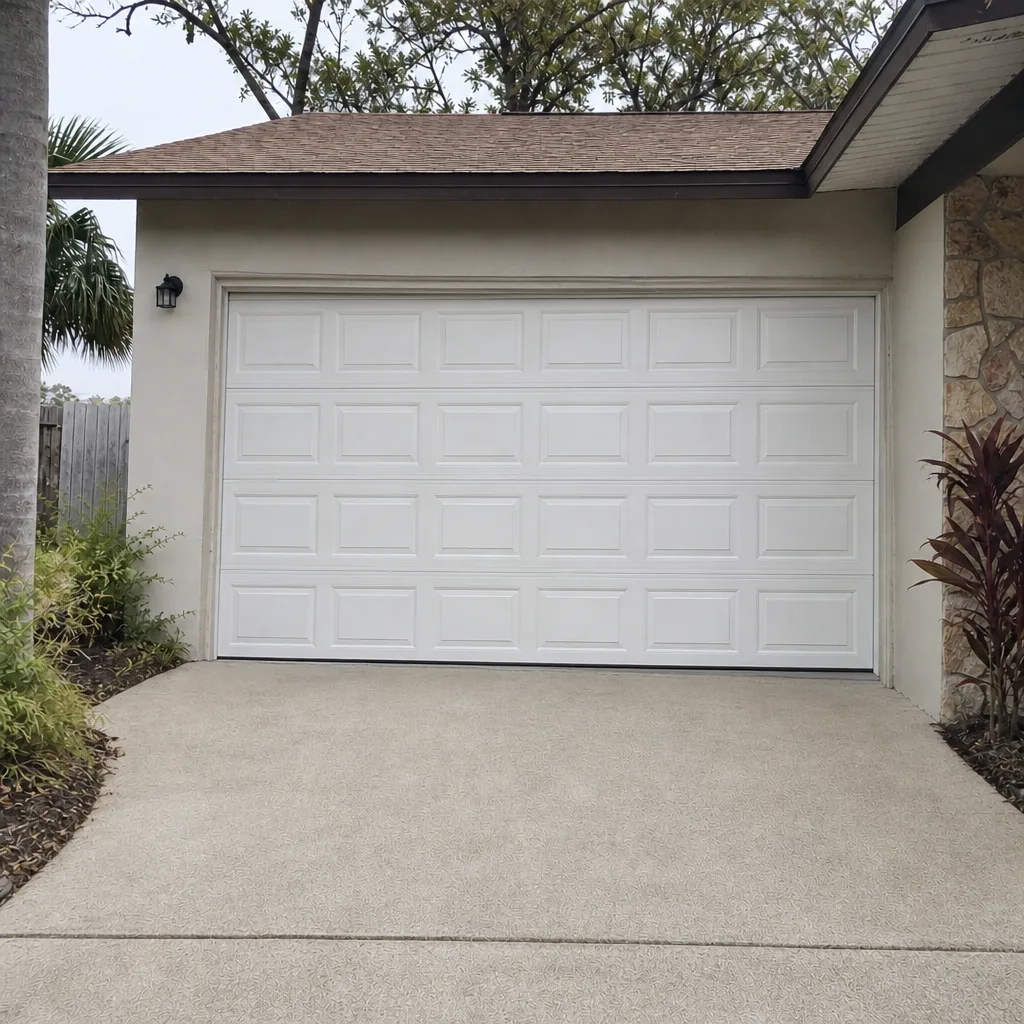
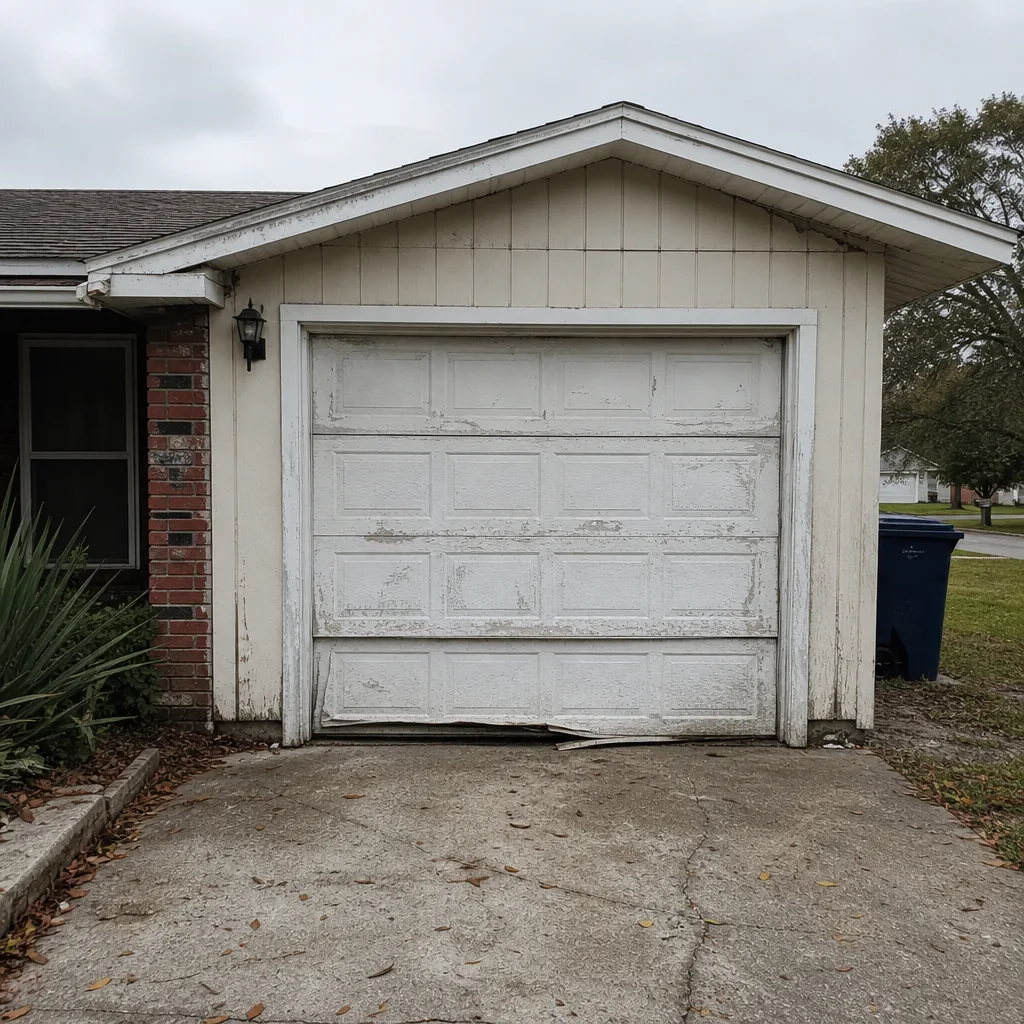
See the difference
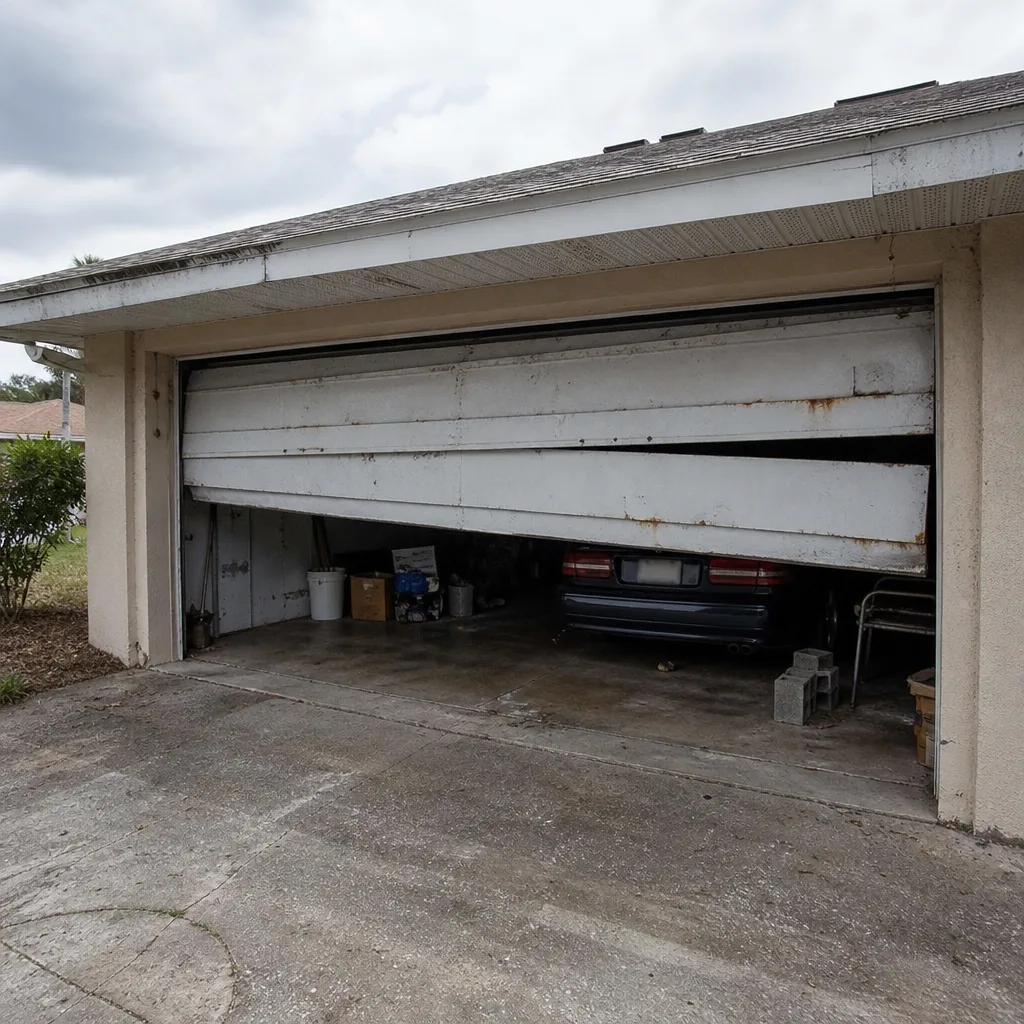 Before
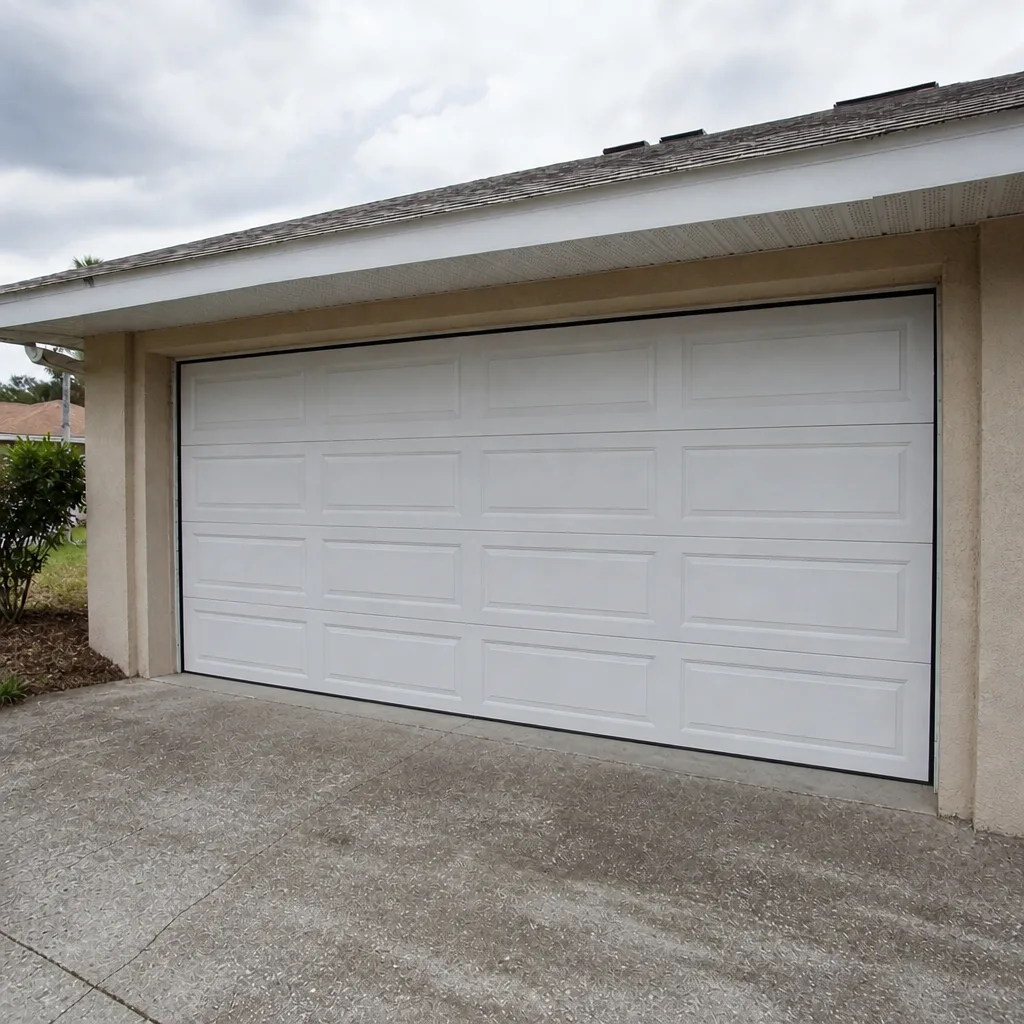 After
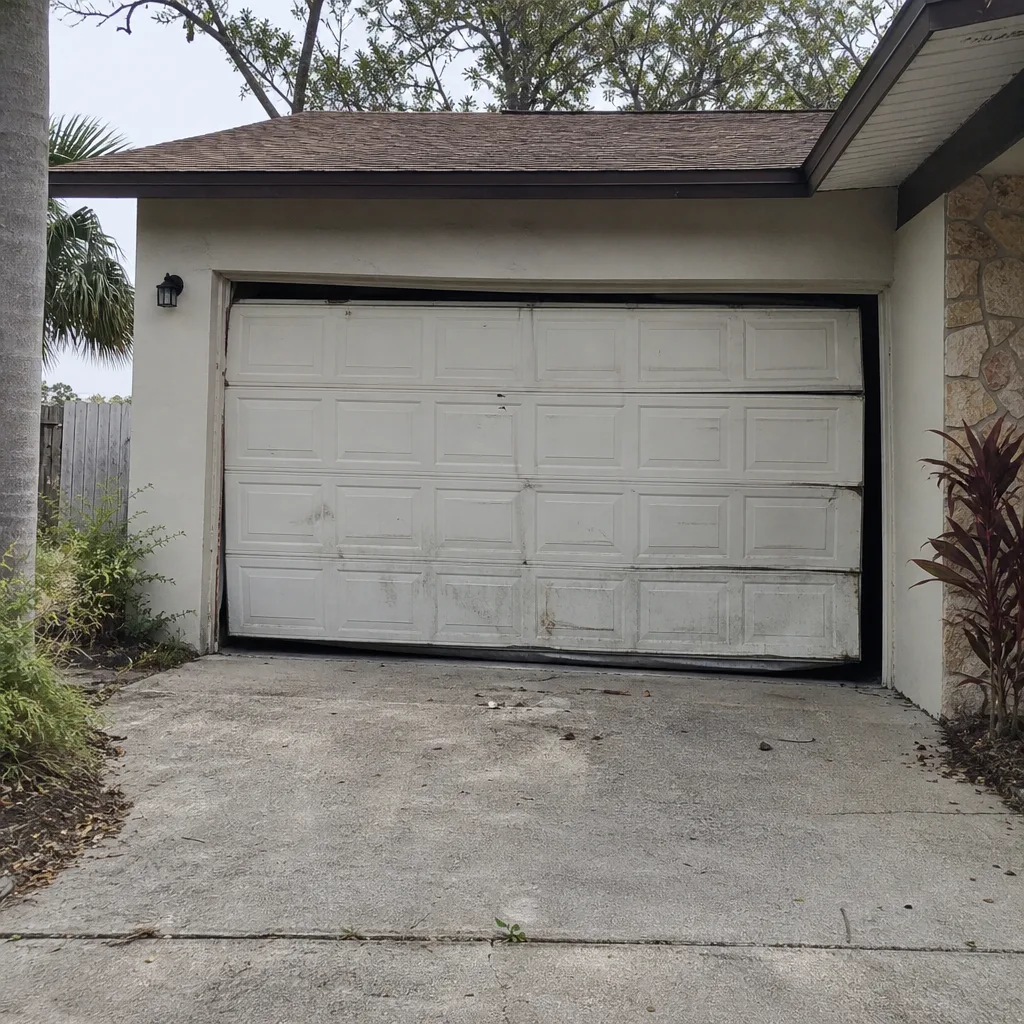 Before
 After
 Before
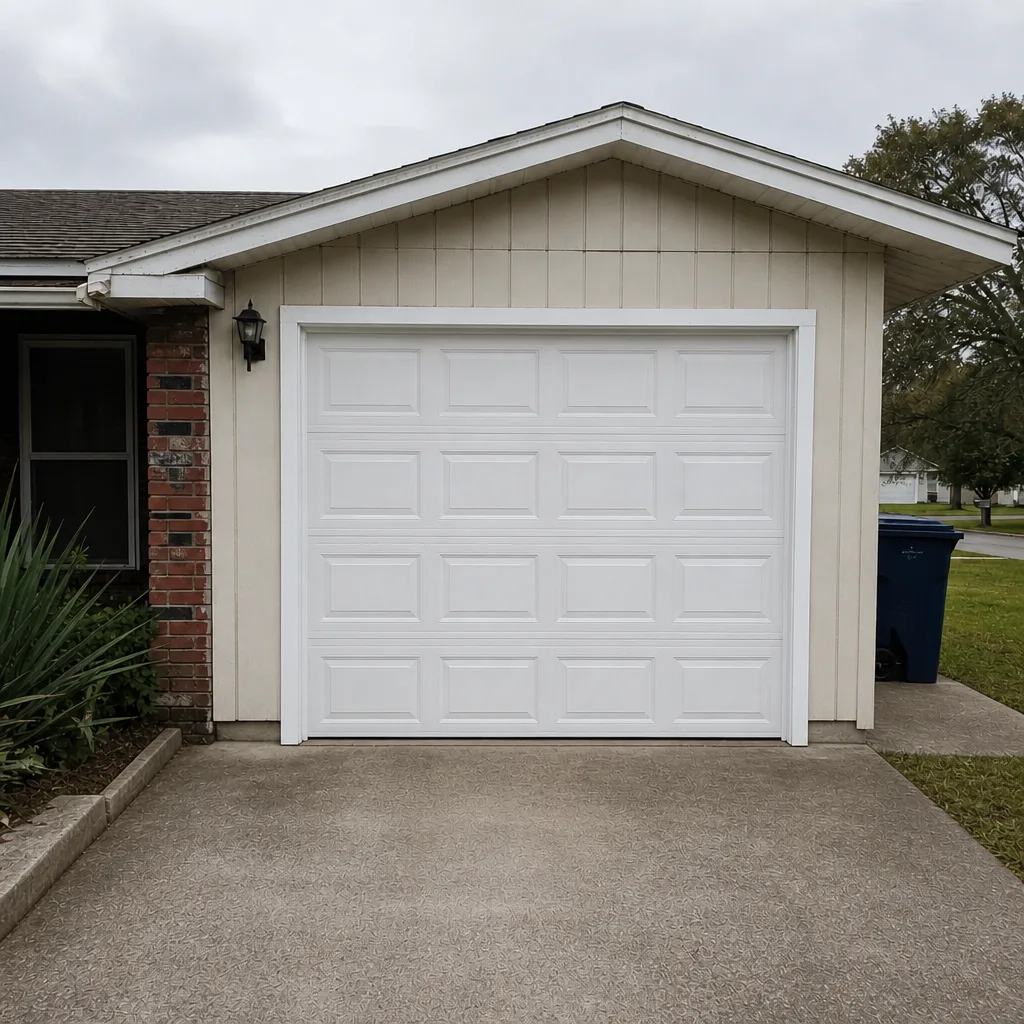 After
When to Call a Professional
Call a professional the moment a checklist item points at something under tension or something structural. A broken torsion spring, a frayed cable, a door off its track, a door that won’t stay up, a safety reverse that won’t reset: these are the situations where a trained technician with the right tools saves you from both a bigger repair and a real injury. If the opener is dead or misbehaving, or if a door that used to close cleanly now lets rain in at a corner, that’s also a professional call. Largo Garage Door Repair Pros offers free estimates in Largo. Call (855) 774-7112 and we’ll quote the price and agree on it with you before any work starts. The estimate costs nothing, and you’ll know exactly what needs doing.
Frequently Asked Questions
Every four to six months, not once a year. Heat and humidity break down lubricant faster here than in cooler climates, so a door that gets an annual pass can develop seized rollers or grinding hinges before the next one is due. If your garage faces the afternoon sun, stay at the four-month end of that range. Call (855) 774-7112 for an exact quote on service; estimates are free.
A silicone-based spray or white lithium grease, applied sparingly to hinges, roller bearings, and the torsion spring. Avoid WD-40 as a long-term lubricant, cooking oils, and heavy grease, and never lubricate the tracks themselves. Call (855) 774-7112 if you’re unsure which parts need it; estimates are free.
Yes, if the door closes evenly and the water is coming in along a straight, even gap. A worn or torn bottom seal can be replaced with the door fully open, without touching the springs or opener. But if water pools at one corner, the door may be out of level or the track shifted, and that’s a job for a professional. Call (855) 774-7112 for an exact quote on a seal or alignment check; estimates are free.
We see the same short list repeatedly: worn bottom seals letting rain and humid air in, loosened hinges and track bolts, rough-running rollers from dried lubricant, failing safety reverse and photo-eye sensors, and opener issues. A broken spring is the most common reason a door stops lifting entirely, and it’s the one to leave to a professional. Call (855) 774-7112 for an exact quote; estimates are free.
For most repair issues, yes. We offer same-day service when we can, and emergency service for urgent failures that can’t wait for a standard appointment. We answer 24/7. A call outside dispatch hours is booked into the next opening, Sunday through Friday, 7am to 7pm. Call (855) 774-7112 for an exact quote; estimates are free.
No. We quote the price and agree on it with you before any work starts, so the written estimate is the price. The free estimate exists so there are no surprises, and the technician confirms the scope with you before touching anything. Call (855) 774-7112 to book a free estimate.
The Bottom Line
A Largo garage door needs its own maintenance rhythm: lubricate every four to six months rather than annually, tighten hardware on the same interval, inspect seals before the summer rains, and test the safety reverse every single month. Those three hardware checks (hinges, rollers and tracks, and a visual on the springs) catch most problems while they’re still small. Leave anything under spring or cable tension to a professional, because that’s where the real danger lives. If your checklist turns up something you’d rather not tackle, we work on the brand you already have and cover springs, openers, panels, and full doors. Reach out to the Largo Garage Door Repair Pros team whenever you need a hand.
Call (855) 774-7112 for a free estimate. We answer 24/7, with fast dispatch from 7am to 7pm, Sunday through Friday. Our technicians have up to 13 years of experience working on the brands Largo homeowners actually own, including Craftsman and Genie openers alongside the doors themselves.
Written by the team at Largo Garage Door Repair Pros.